 EN |
 IT |
 ES |
 RU |
 ZH |
 HE

Investment Diamonds
Pink, blue, yellow and green diamonds certified by GIA: one of the rarest tangible assets on Earth, selected for investors and collectors who want to protect their wealth in something they can hold in the palm of their hand.
Request the selectionWhite diamonds are a luxury product. Colored diamonds are something else: a rare natural resource whose supply is shrinking while demand from collectors keeps growing.
Only about one mined diamond in ten thousand shows a natural color, and stones with an intense, saturated color are a tiny fraction of those. Rarity is the foundation of their value.
The Argyle mine in Australia, which produced the vast majority of the world's pink diamonds, closed in November 2020. No new source of comparable size has replaced it, so every pink stone on the market today comes from a finite stock.
A single diamond can concentrate the value of a property in a few grams. It fits in a safe deposit box, travels discreetly and does not require maintenance, tenants or management.
Colored diamond prices do not move with the stock or bond markets. Held next to real estate and financial assets, they add a component that follows its own logic: rarity and collector demand.
The GIA report describes each stone with a common international language: color grade, intensity, carat, clarity and the confirmation that the color is natural. This is what makes a stone comparable and resaleable worldwide.
Diamonds do not deteriorate, can be divided among heirs and can be worn and enjoyed. The great auction houses regularly sell colored stones at record prices: the Pink Star reached US$71.2 million at Sotheby's Hong Kong in 2017.
Each color has its own market. Rarity, and therefore price, change a lot from one color to another.
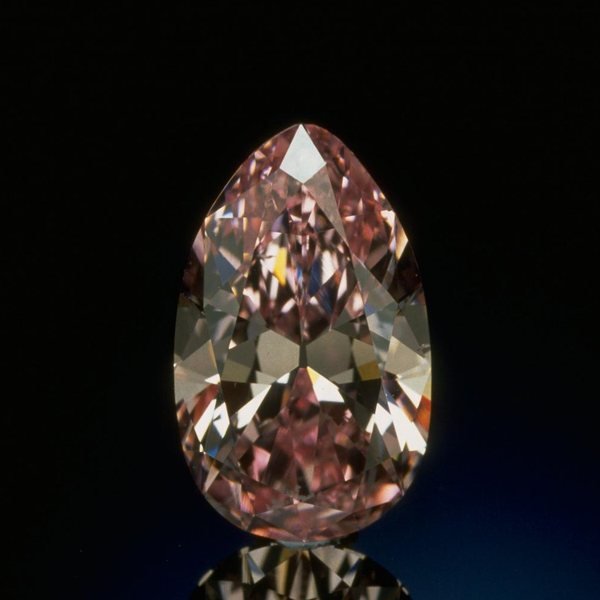
The symbol of the colored diamond market. With the Argyle mine closed, the most sought after by collectors.
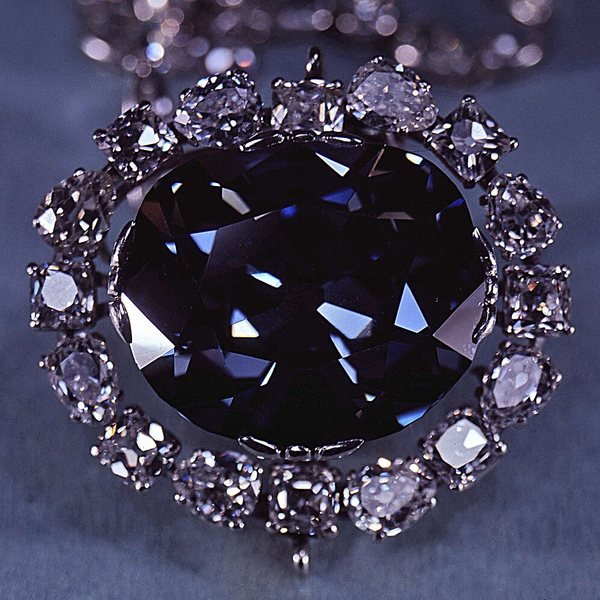
Colored by traces of boron, extremely rare. The intense and vivid stones are among the most valuable gems in the world.
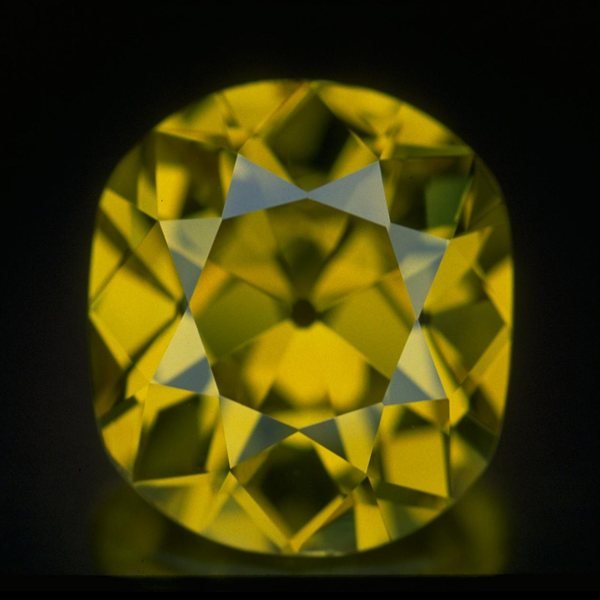
The most accessible color and the best entry point: "canary" stones combine visual impact with a more liquid market.
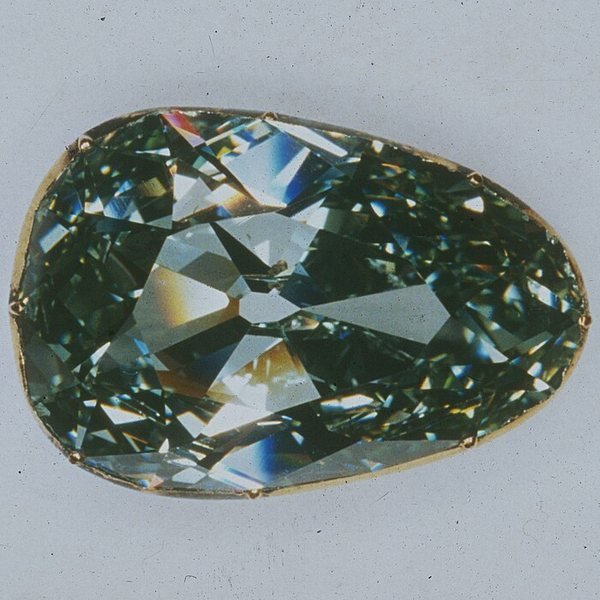
Colored by natural radiation over millions of years. Stones with an even, natural green are very rare.
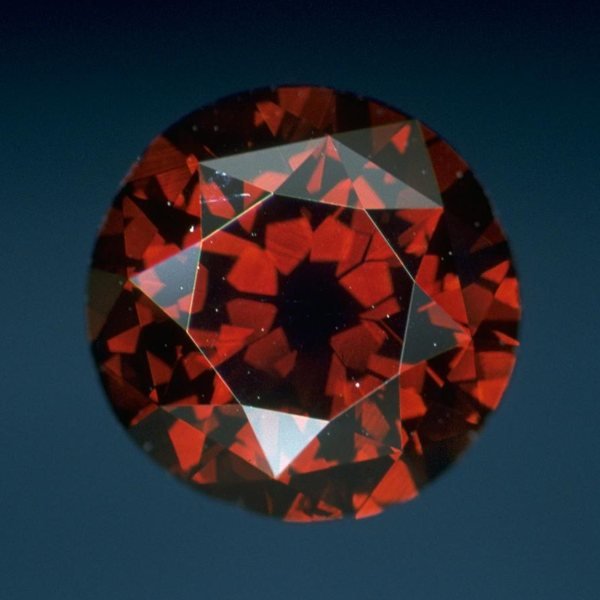
The rarest colors of all. Pure orange without brown, purple and above all red: only a handful of significant stones appear on the market each year.
The GIA intensity scale. For investment purposes we focus on Fancy Intense and Fancy Vivid stones, where color, rarity and value are highest.
The photos show famous natural colored diamonds kept in museum collections, as examples of each color: they are not for sale.Photos: DeYoung Pink, DeYoung Red and Shepard diamonds – Smithsonian Institution, National Museum of Natural History (CC0); Hope Diamond – Smithsonian Institution Archives (public domain); Dresden Green – Eduard Gübelin, ETH-Bibliothek Zürich (CC BY-SA 4.0).
A simple, private process, with no obligation until you have seen the stone and its report.
Color, budget and time horizon. Write to us using the form below.
We send you a short list of available stones, each with photos, video and the GIA report you can check online.
In person at our Milan showroom or live in a Zoom video call, with independent verification before purchase, then insured delivery or storage in a vault.
Milan · Zoom
Our main showroom is in Milan, Italy, where you can see the stones in person, under different lights, together with their GIA reports.
Live far away? Book a Zoom video call with our Milan headquarters: we show you the diamonds live on camera, answer your questions and go through each report with you, wherever you are.
Book a Zoom video callColored diamonds can be an excellent store of value, if you know how this market works.